Deep-sea vent worms hold key to studying proteins
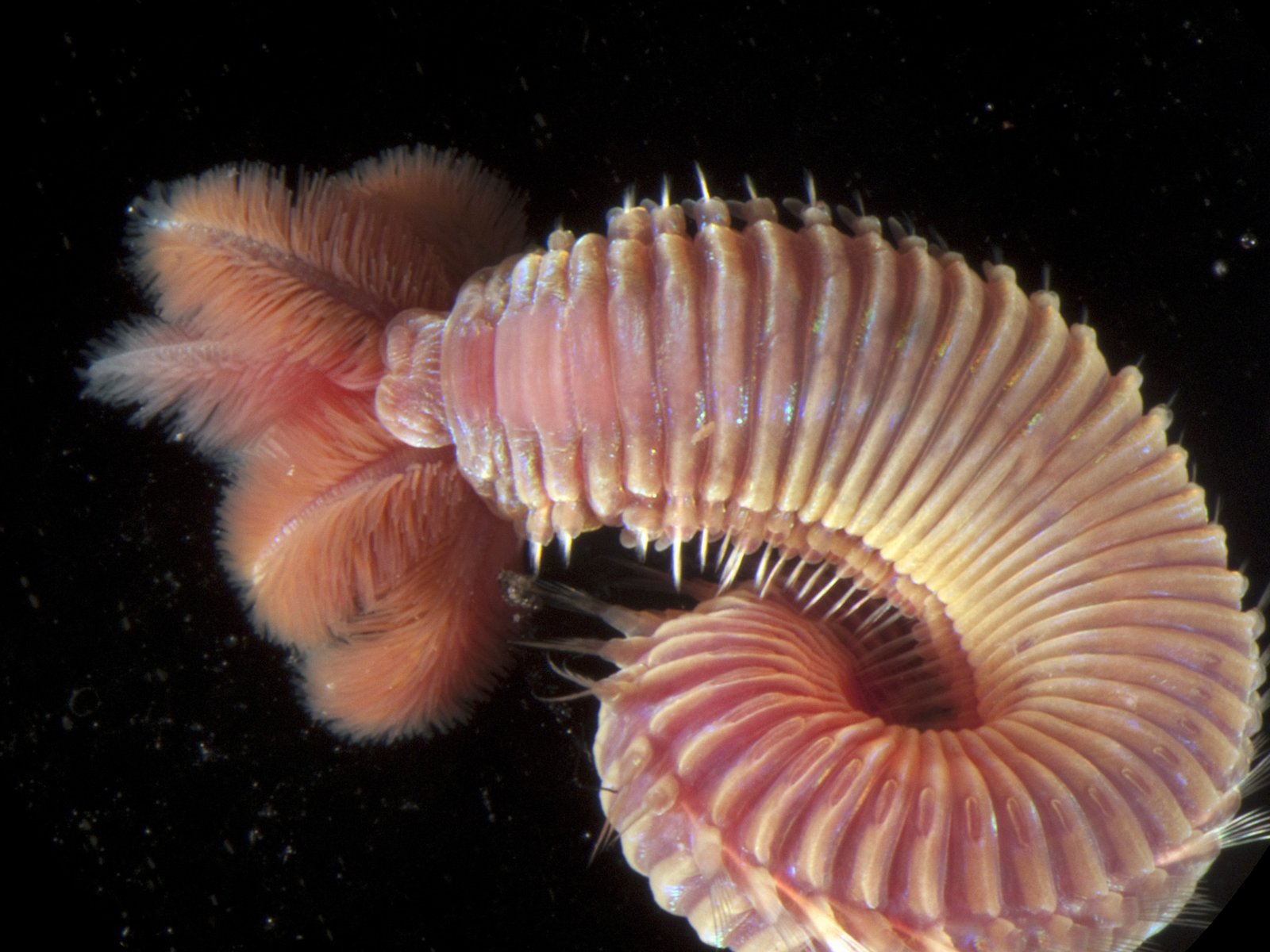
To solve a decades-old mystery about human cells, we had to go to the bottom of the Pacific Ocean.
Many human proteins are too fragile to study in isolation, sometimes melting like butter left on the counter. To get around this, scientists often use stable proteins from heat-loving bacteria—but bacteria are only distantly related to humans.
So I wondered: why not look for a heat-loving animal?
Today, The Straits Times featured our international team’s answer to that question: deep-sea hydrothermal vent worms living 2,500 meters down in the Pacific Ocean. Because these animals thrive in scalding water, their proteins are built to last.
By sequencing their genomes and studying their remarkably stable proteins, we were able to capture the first detailed look at actin nucleation—the moment a brand-new structural filament begins to form inside a cell. Understanding this protein mechanism opens up new avenues for studying diseases like cancer.
This work was possible thanks to an incredible cross-disciplinary effort: from deep-sea submersible expeditions, to the genomicists and structural biologists who participated in our Human Frontier Science Program (HFSP) team.
With Robert Robinson, Richard Copley, Peter Girguis, Didier Jollivet, Andre Hoelz, Sami EL HILALI, funding from the Human Frontier Science Program (HFSP)
Check the discussion on LinkedIn